
SNAPSHOT
- 410 acres under climate-smart agriculture (CSA) investments
- 220 acres dedicated to fodder production
- 19 farmer & LCIG groups/cooperatives supported
- Thousands of fodder bales produced
- Some LCIGs producing over 11,000 bales
- Average fodder price: KES 400 per bale
A Drought-Strained Livestock Economy
Mandera County continues to face the effects of prolonged drought, with declining pasture, rising feed prices, and increasing pressure on livestock-based livelihoods. As animal feed becomes scarce, many livestock keepers are forced to travel long distances or sell animals at low prices, undermining household income and food security. Against this backdrop, a locally anchored fodder market response is taking shape driven by organised community groups and supported through the BORESHA-NABAD programme, funded by the European Union.
“Rather than treating feed shortages as a short-term emergency, BORESHA-NABAD is supporting sustainable, climate-smart fodder production as a core function of the local livestock economy.”
Crowding-In Local Producers Through Market Systems Development
Implemented through the Danish Refugee Council (DRC) Kenya and RACIDA Kenya, BORESHA-NABAD is strengthening a market systems approach that focuses on crowding in local producers, improving access to inputs and services, and enabling community groups to respond to real-time market demand. Rather than treating feed shortages as a short-term emergency, the programme is supporting sustainable, climate-smart fodder production as a core function of the local livestock economy.
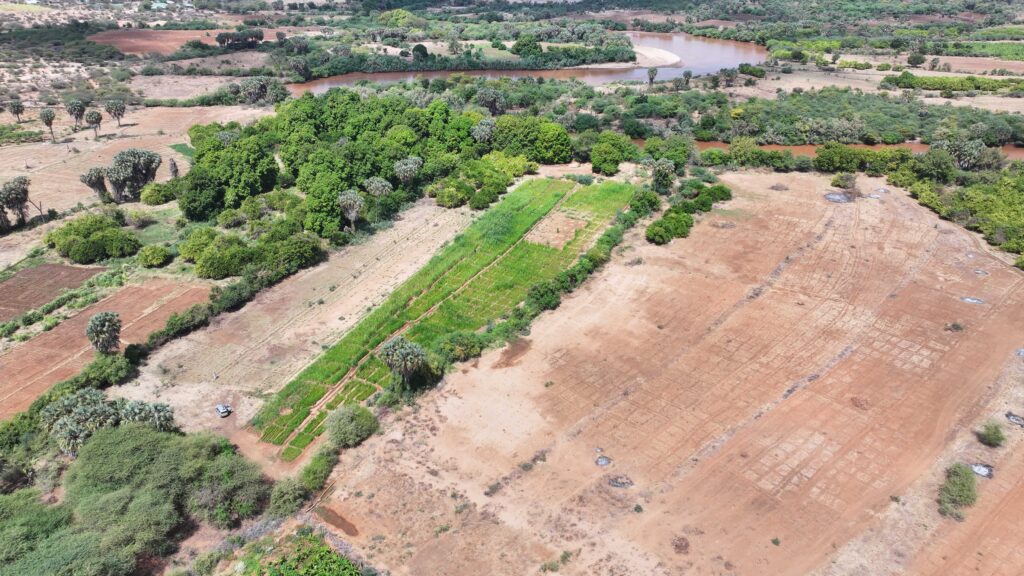
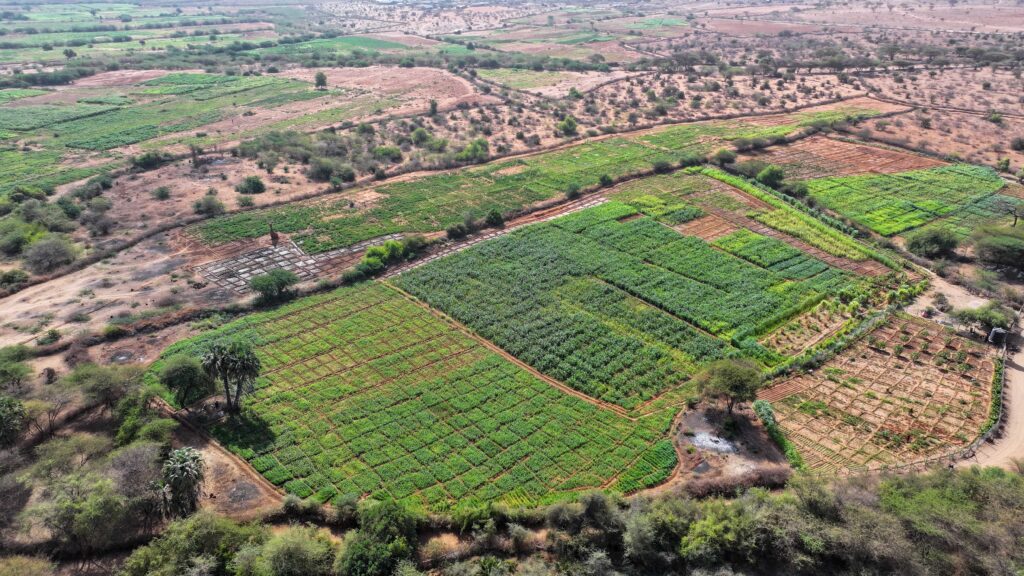
Across Mandera County, 410 acres are currently under climate-smart agriculture (CSA) investments, including 220 acres dedicated specifically to fodder production. These investments are being implemented through farmer groups, Livestock Common Interest Groups (LCIGs), and cooperatives operating in Mandera East, Mandera North, and Lafey. In total, 19 farmer and LCIG groups/cooperatives are supported by DRC Kenya and RACIDA, and additional groups are engaged in CSA, animal health, and fodder interventions facilitated by RACIDA.


“BORESHA-NABAD is strengthening a locally anchored fodder market system that can respond to drought-driven demand.”From Production to Market Supply
Working on shared communal land and through pooled labour, groups are cultivating Sudan grass, sorghum, maize, and other fodder crops using climate-smart practices. Through BORESHA-NABAD facilitation, groups are linked to agrovets for certified inputs and to government extension services for technical guidance, helping improve productivity and crop management under drought conditions.
These collective investments are already translating into tangible market outcomes. Groups are producing thousands of fodder bales, with some LCIGs reaching over 11,000 bales per group, which are supplied to livestock keepers across Mandera West, Elwak, Lafey, Arabia, and neighbouring areas. Fodder is currently selling at an average of KES 400 per bale, providing predictable income for groups while improving access to feed closer to home for pastoral and agropastoral households.


Adding Value Through Livestock Fattening
Beyond supplying feed, several groups are reinvesting proceeds into livestock fattening and value addition. By using their own fodder to improve animal condition before sale, groups can secure better prices in local and national markets, including Nairobi. This strengthens the linkages among feed production, animal health, and livestock marketing, creating a more integrated and resilient local livestock market system.

“Groups are capturing more value locally by linking feed production to stronger livestock market outcomes.”
Scaling Supply Through Farmer-to-Farmer Linkages
To further expand supply, LCIGs are also sharing fodder seedlings and practical knowledge with nearby farmers, thereby attracting additional producers and increasing acreage under fodder production. This farmer-to-farmer scaling is critical for meeting county-level demand and stabilising feed availability during peak drought periods.
Building Resilience Beyond the Drought
Through these interconnected interventions, BORESHA-NABAD is demonstrating how strategic facilitation can unlock local markets. By strengthening fodder production, service linkages, and value addition pathways, the programme is enabling communities to stabilise livelihoods, supply critical markets, and build resilience that endures beyond the drought.