
About us
About BORESHA‑NABAD
Peaceful coexistence and climate-resilient livelihoods for communities across the borderlands of Kenya, Somalia and Ethiopia.
Building Resilience Across One Interconnected Borderlands
About BORESHA-NABAD
BORESHA-NABAD is a three-year integrated resilience programme funded by the European Union, with co-funding from Danida. It is implemented by the Danish Refugee Council in partnership with RACIDA, VOPA and Mandera Women for Peace and Development.
Working across the Mandera Triangle borderlands of Kenya, Somalia and Ethiopia, BORESHA-NABAD builds on earlier BORESHA phases to address the interconnected challenges of conflict, climate shocks, limited services and economic fragility. The programme contributes to the EU’s broader Peaceful and Resilient Borderlands Programme in the Horn of Africa.
The programme works with communities, local authorities, private sector actors, peace structures, financial service providers, women and youth groups, and cross-border institutions to strengthen the systems that enable peaceful coexistence, climate-resilient livelihoods and inclusive economic opportunity.
Programme at a glance
Duration
February 2024 – February 2027
Total funding
EUR 15.56 million
Donor
European Union, with co-funding from Danida
Lead agency
Danish Refugee Council
Consortium partners
RACIDA, VOPA and WFPD
Geographic focus
Borderland areas of Kenya, Somalia and Ethiopia

What we work towards
Overall Objective
Stakeholders in the Mandera Triangle are empowered to enable peaceful coexistence and sustainable, climate-resilient livelihoods.
Key Outcome Areas
- Disaster risk reduction and conflict prevention capacities of cross-border stakeholders and communities are strengthened.
- Peacebuilding is enhanced through stronger linkages between communities and local, national and regional authorities.
- Women and youth in marginalised borderland communities have improved access to income generation opportunities.
- Borderland communities are better able to adapt their livelihoods to climate change and environmental degradation.
The Mandera Triangle
A borderland where shocks travel across systems

Context
Shared livelihoods, shared risk
In the Mandera Triangle, shocks do not stop at borders. Neither should resilience solutions.
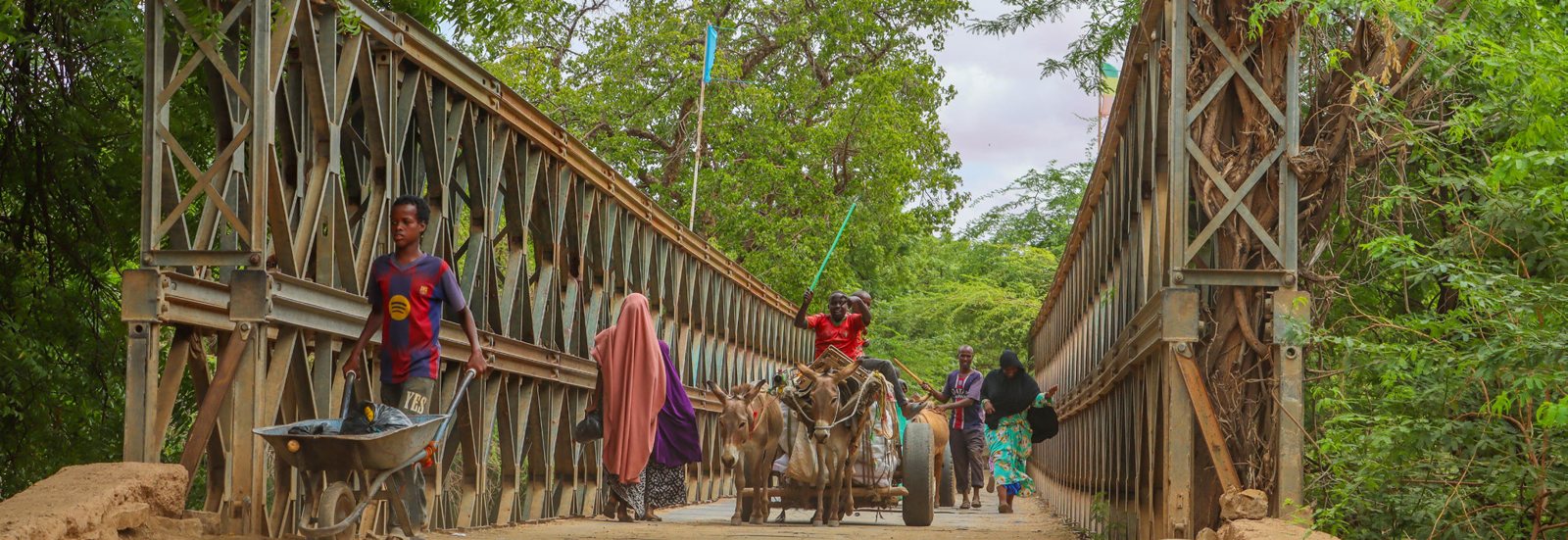
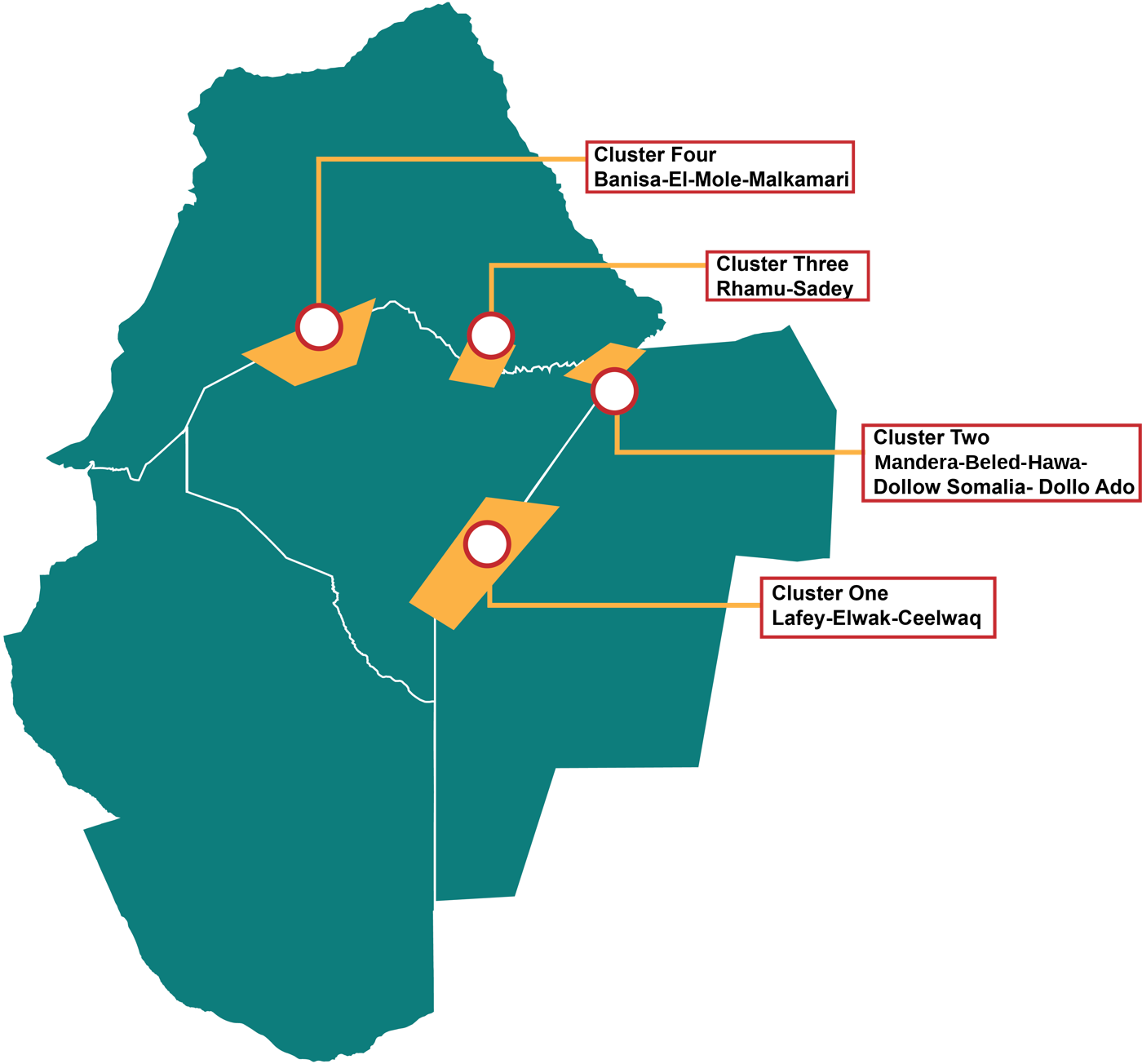
The Mandera Triangle links communities across Kenya, Somalia and Ethiopia through shared livelihoods, trade networks, natural resources and long-standing social ties. Anchored by border towns including Mandera, Beled-Hawa, Dollow and Dollo Ado, it is an economic and social corridor connecting pastoral communities, services and trade across the Horn of Africa.
The same connections that create opportunity also spread risk. The region faces recurrent drought, floods, environmental degradation, resource scarcity, livestock disease, conflict spillovers and violent extremism. Climate shocks often hit large areas at once, straining water, grazing land and household income, while weak infrastructure, limited services and uneven governance capacity limit how well communities cope and recover.
Our response
Treating the borderlands as one resilience system
A disruption in one part of the tri-border area quickly affects trade, mobility, security and social cohesion across the rest.
BORESHA-NABAD is founded on this understanding. Resilience cannot be strengthened through isolated sectoral interventions or within one country at a time. The programme treats the Mandera Triangle as a shared system in which social, economic, environmental and governance dynamics are closely connected and call for coordinated cross-border solutions.
How change happens
Our key strategies to achieve results
Four connected strategies, each working through the institutions, markets and community structures that will remain after the programme.
Shared goal
Peaceful coexistence and climate-resilient livelihoods
01
Inclusive systems approach
Businesses, government and communities reshape the rules and relationships that govern local markets, so women, youth and the most vulnerable gain fair and lasting economic opportunity.
02
Climate-smart agriculture
Agro-pastoralists adopt adaptive techniques and move into income activities that hold up against environmental shocks.
03
Water resource management
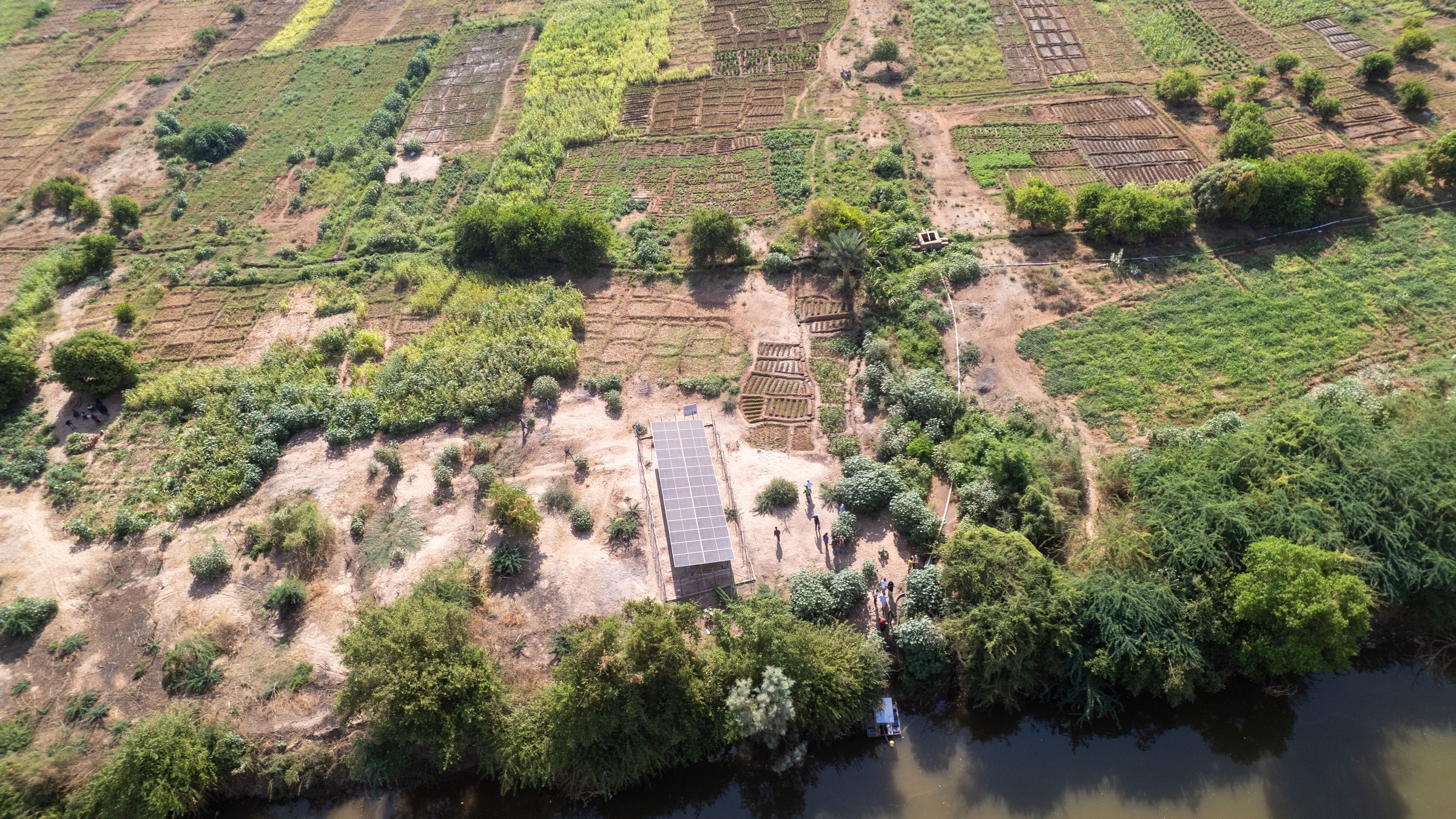
Communities gain reliable water supply, irrigation and conservation infrastructure, and manage it well for farming and household needs.
04
Natural resource management
Communities combat desertification, restore rangelands, protect soil health and plant trees, conserving shared ecosystems for the next generation.


