Focus Area Four
Climate Change Adaptation and Natural Resource Management
Resilience begins where water, land and livelihoods meet. Local institutions, firms and communities are investing in the systems that keep production going as the climate changes.
In response to the growing challenges of climate change and environmental degradation, our initiatives focus on equipping borderland communities with the tools and knowledge to adapt their livelihoods sustainably.
Specifically, we aim to
- Support uptake of adaptive climate smart agro-pastoral techniques and climate-resilient income-generation activities.
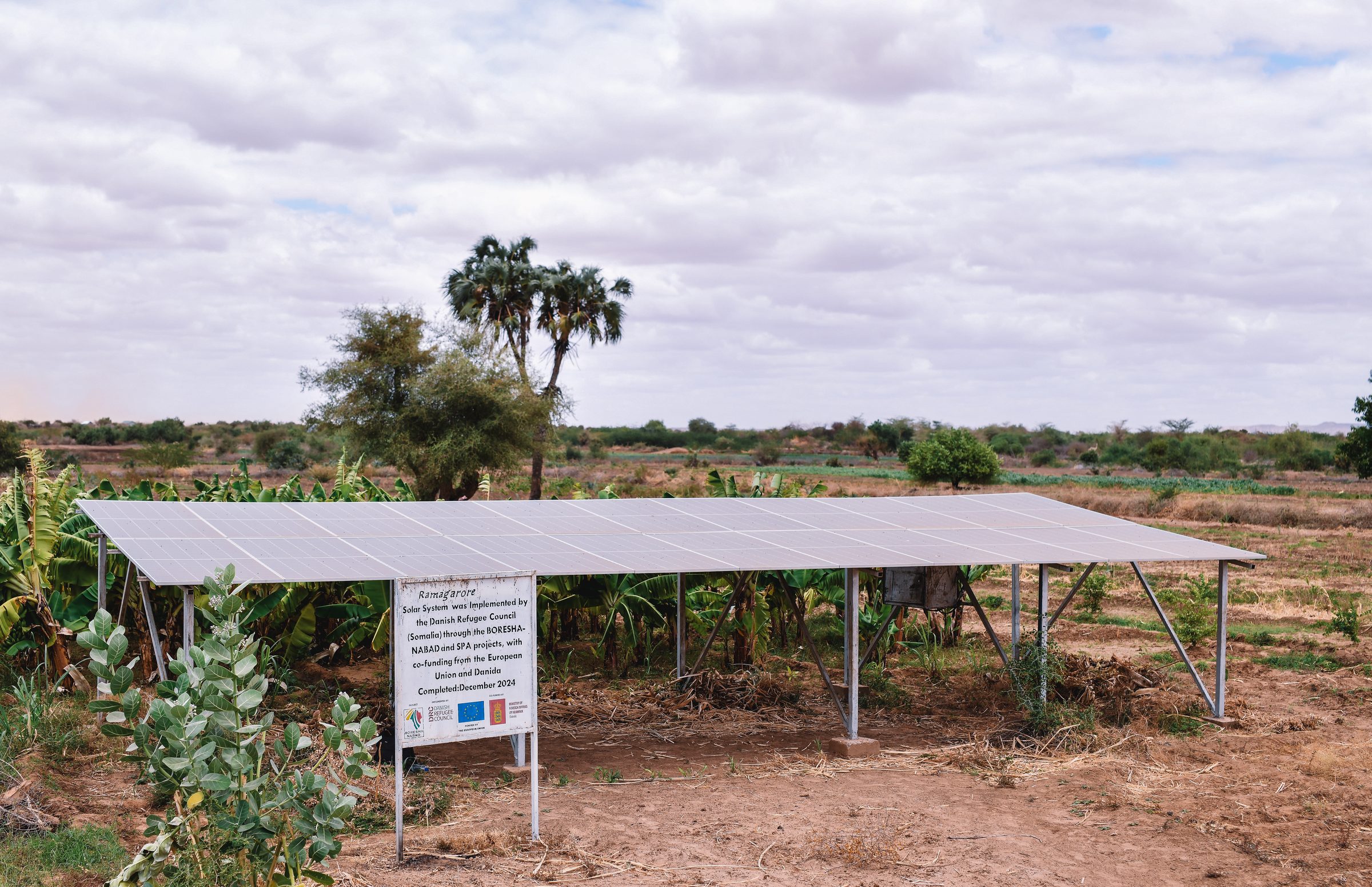
- Improve access to water supply / irrigation schemes and water conservation infrastructure.
- Restoration of degraded landscapes to promote soil health and water conservation/management to fight against desertification, including forestation initiatives.
- Promote and raise awareness of adaptive pastoralist livelihoods and climate-smart agriculture, focusing on women, youth, and government stakeholders.
Why it matters
The difference between coping and sliding
The constraint
One failed system can tip a household
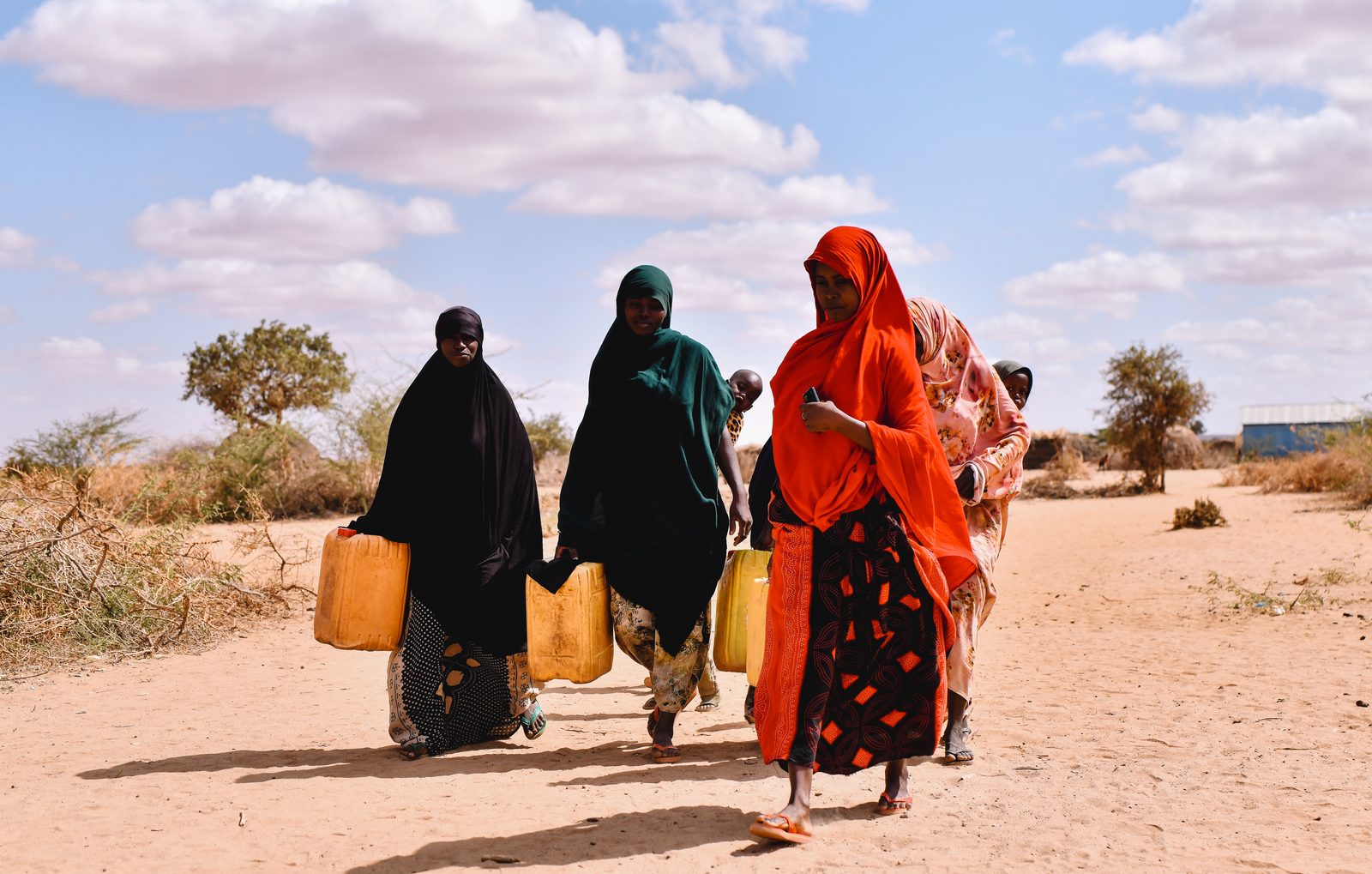
For pastoral and agro-pastoral households, a functioning water system, a recovering rangeland, a productive farm or a reliable fodder source can decide whether they withstand the next shock.
Where any of these fails, families slide deeper into vulnerability, and competition over scarce water and pasture can turn into conflict between communities.
Our approach
Facilitating adaptation through local systems
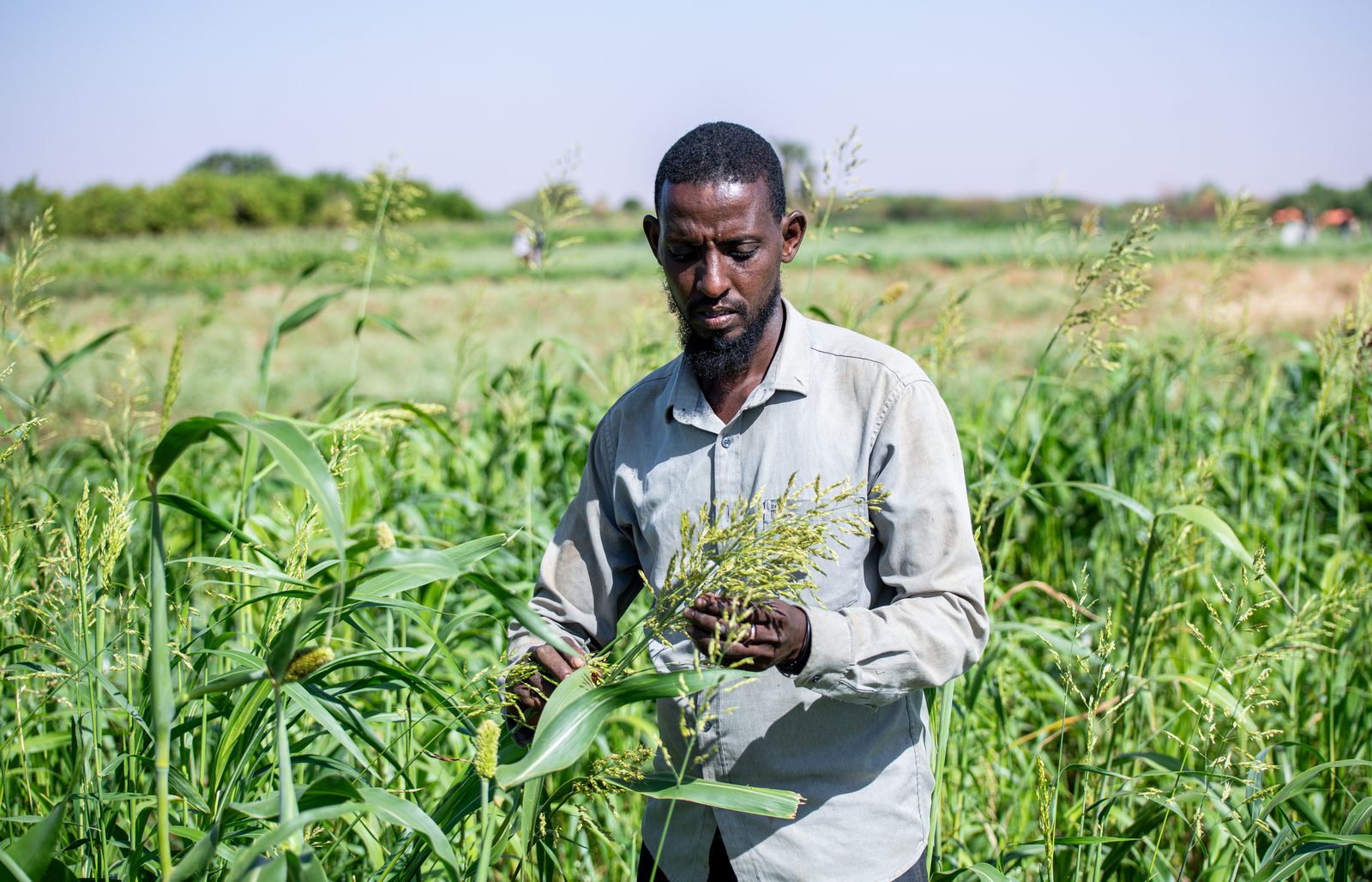
In collaboration with government extension services, local authorities, cooperatives and private actors, the programme facilitates the adoption of drought-resilient crops, improved fodder, land rehabilitation and more reliable water.
The work spans climate-smart agriculture, water and irrigation systems, rangeland restoration, natural resource governance and locally managed production models. Each investment is linked to climate-resilient income, including beekeeping, crop-sharing and women-led tree nursery enterprises.
The focus is not on infrastructure alone. Water, land, fodder, livestock, markets and local governance are connected, so that adaptation strengthens livelihoods and supports peaceful management of shared resources.
Intervention areas
Systems that sustain production
Five areas of facilitation, each anchored in community institutions, public services and private actors.
01
Access to water
Community and private sector-led water systems with better access, reliability and sustainability for domestic, livestock and productive use.
02
Climate-smart agriculture
Production systems that hold up productivity under changing rainfall and reduce risk for farming households.
03
Integrated water, fodder and livestock systems
Water, fodder and livestock planned together to reduce climate risk and strengthen pastoral resilience.
04
Natural resource management
Inclusive governance of shared resources that promotes fair access, reduces competition and manages land and water well.
05
Climate-resilient livelihoods
Diversification into tree nurseries, beekeeping and small enterprises that generate green income and reduce vulnerability.
Results as of November 2026
BORESHA-NABAD in Numbers
201,365
People reached
104,317 women and 97,048 men across climate adaptation and natural resource management.
187,495
Water and irrigation beneficiaries
Served by 27 completed irrigation and water schemes.
6,153
Learners in tree planting
Across 50 schools reached through tree planting campaigns.
4,589
Rangeland restoration participants
Rehabilitating rangelands through cash for work.
1,500
Farmers in climate-smart agriculture
Trained in soil conservation, water harvesting, crop rotation and drought-tolerant seed.
736
LCIG members
In 54 groups linked to farm inputs, climate-smart fodder production, seed bulking and learning.
301
Crop-sharing households
Connected to the crop-sharing initiative.
205
Beekeepers
In 10 groups trained and equipped in beekeeping.
Programme data as of November 2026.
Results in practice
Safer water for Dollo Ado
Dollo Ado
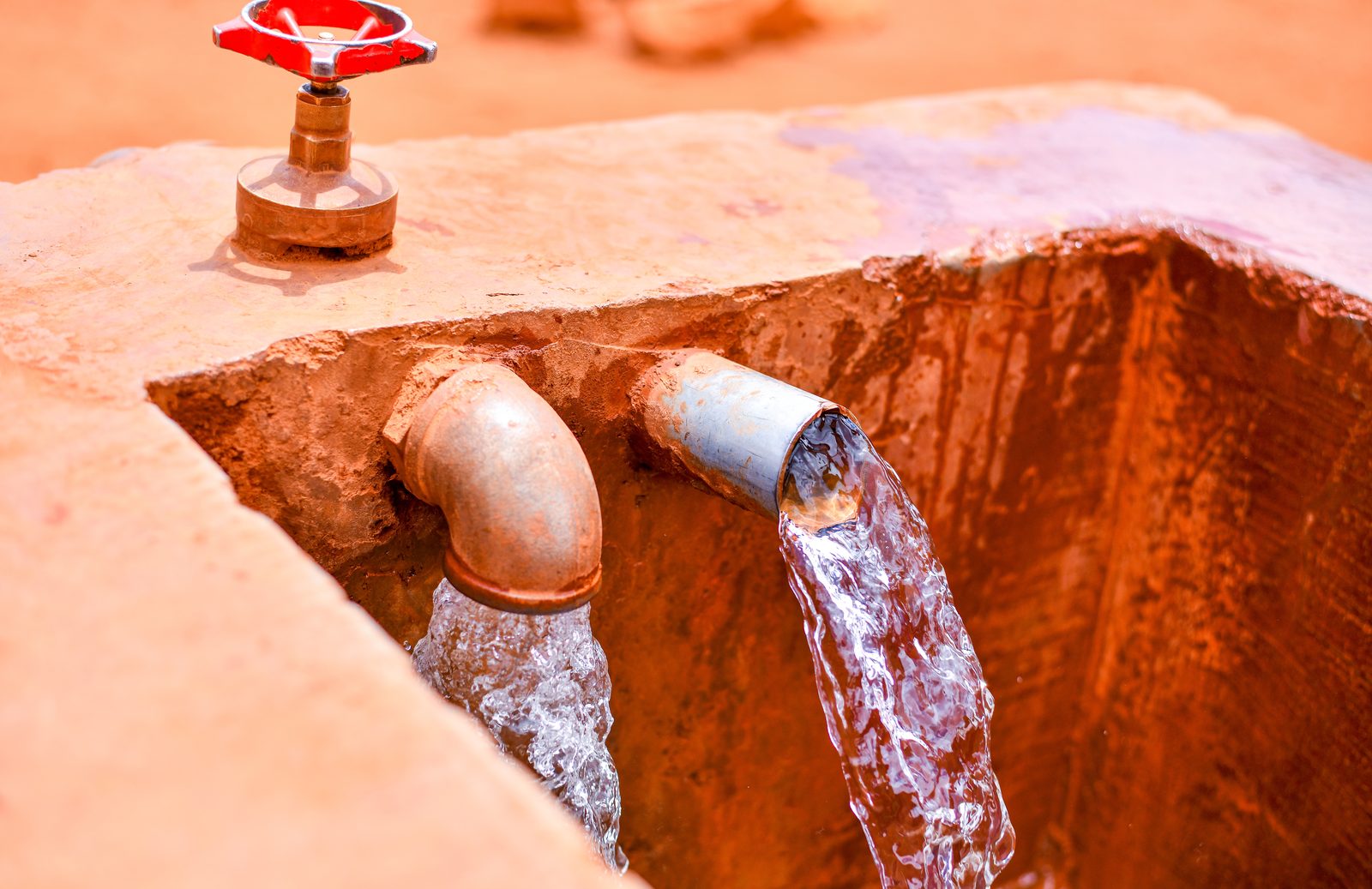
Repairing the main water filtration system
With the main water filtration system repaired, rehabilitated water systems in Dollo Ado now serve 46,000 households.
The repaired system returns treated, reliable water to households and livestock closer to home. That eases the time women and girls spend collecting water, and gives the water vendors who serve the town a steadier supply to work from.
Reliable water has made my work easier. I now serve more households with my donkey cart, while families and livestock access water closer to home.
Muhumed Hussein, Dollo Ado
Read our stories
-

Inside Community-Led Tree Planting Campaign Drive in Dollow and Beled-Hawa
-
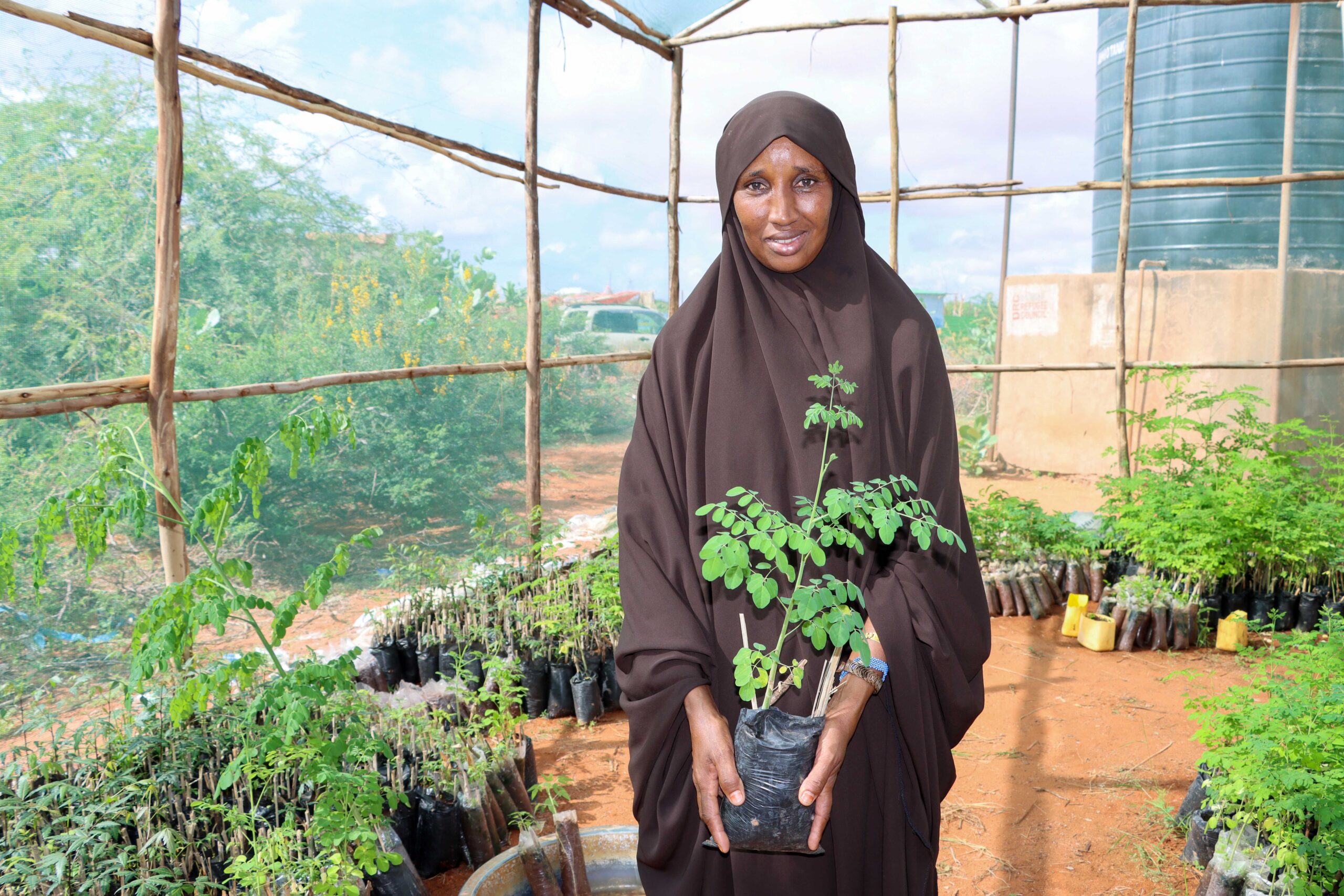
The Rise of Tree-Based Economies in Somalia’s Borderlands
-

BORDERLAND COMMUNITIES IMPROVE THEIR LIVELIHOODS AND REDUCE CONFLICTS THROUGH NATURAL RESOURCE SHARING AGREEMENTS
-
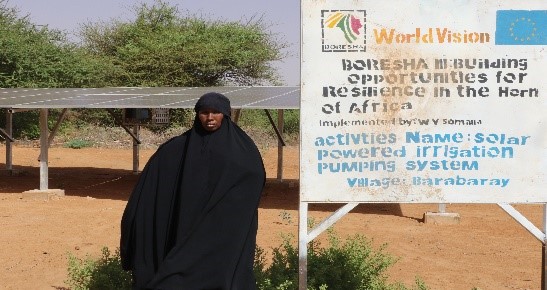
SOLAR PANEL TECHNOLOGY INCREASES YIELDS FOR DOLLOW FARMERS