Focus Area One
Disaster Risk Reduction and Conflict Prevention
Anticipating shocks before they become crises, so that drought, floods and local disputes do not compound one another.
BORESHA NABAD strives to enhance the resilience of cross-border communities and stakeholders. It empowers communities in the borderlands of Kenya, Somalia, and Ethiopia to anticipate crises better, respond to them, recover from them and fortify their disaster risk reduction and stabilisation mechanisms. Our consortium’s initiatives focus on collaborative and sustainable approaches that build local capacity to ensure long-term stability and security across the Mandera Triangle.
Specifically, we aim to
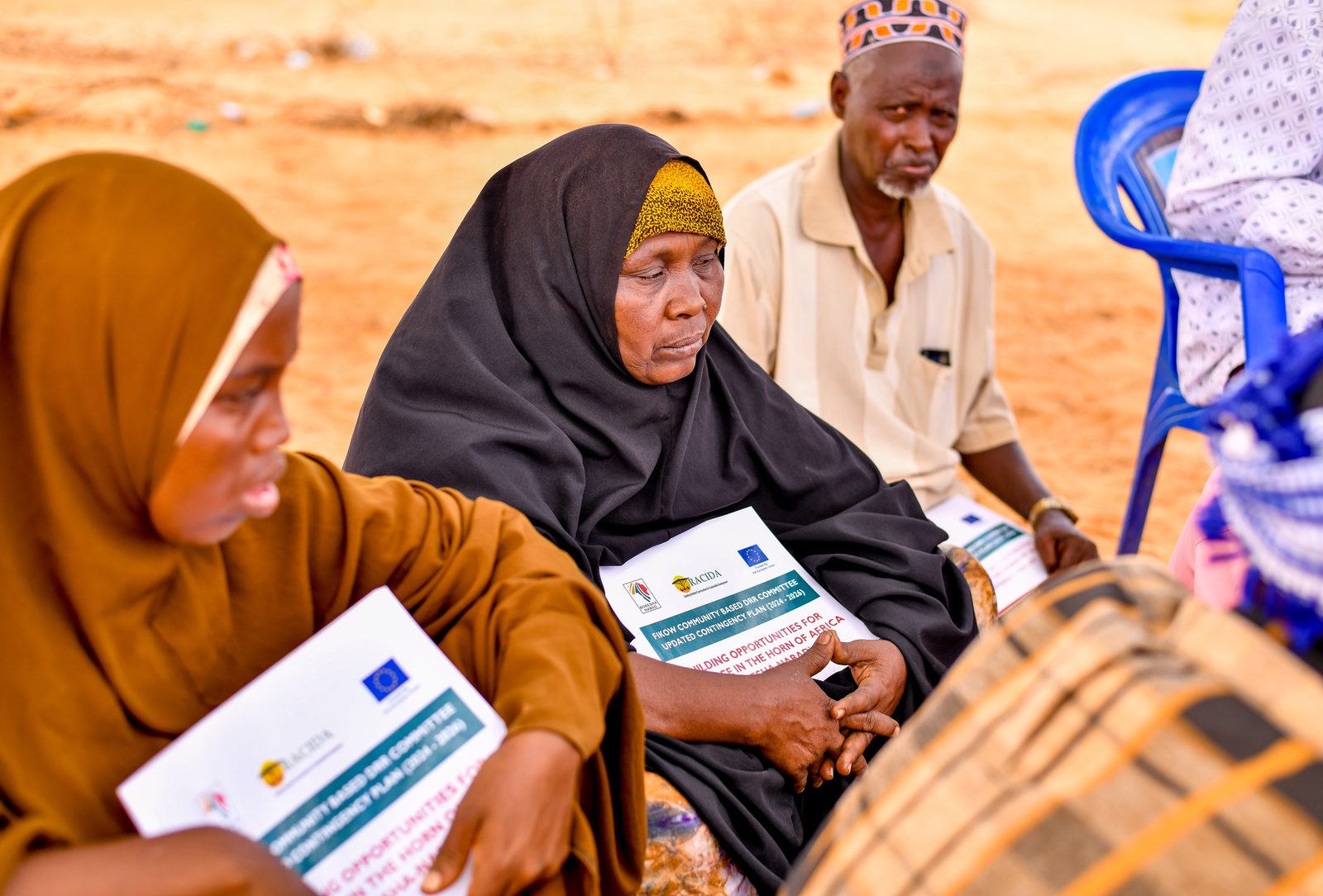
- Support the planning processes of DRR and peacebuilding committees through tailored training and the development of gender-responsive, community-based DRR plans that address conflict, drought, and flooding.
- Facilitate the creation of cross-border disaster contingency plans, including conflict management and peacebuilding strategies, and establish cross-border linkages to tackle disasters and conflict effectively.
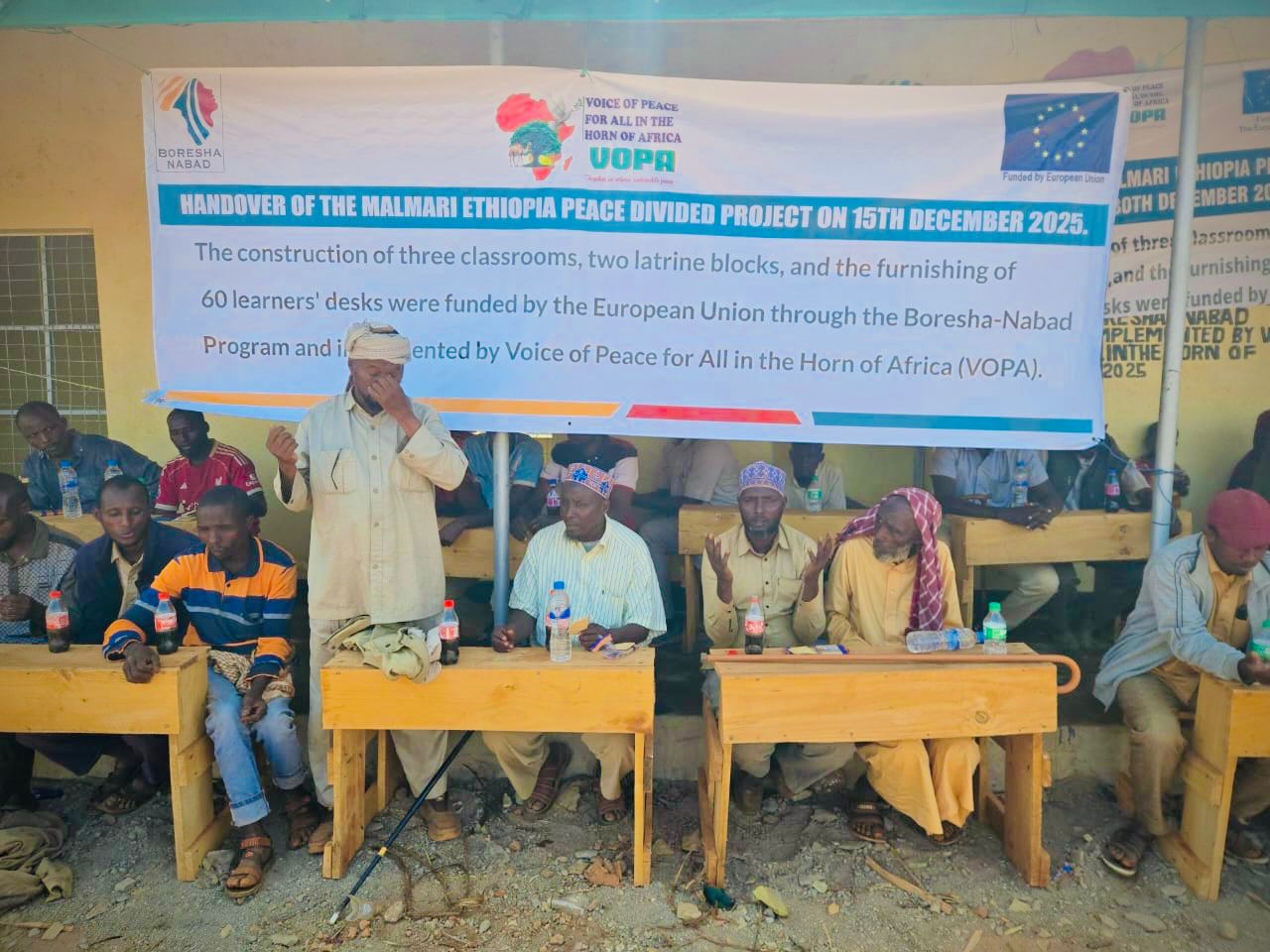
- Support peace dividends through shared infrastructure essential for upholding local peace agreements and fostering lasting peace.
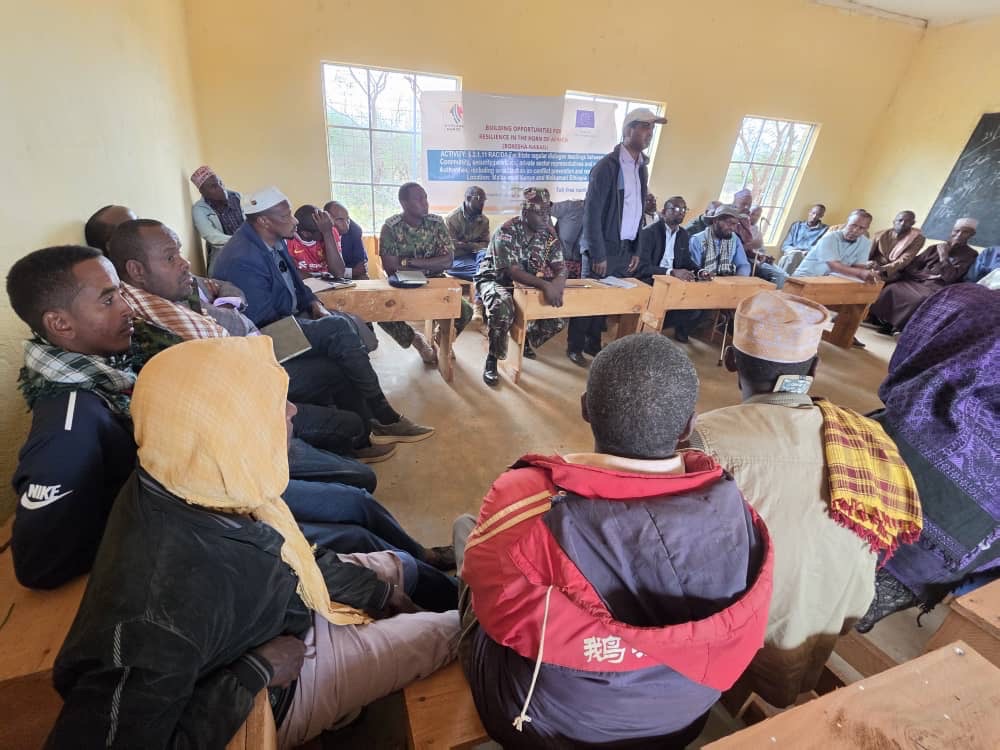
- Engage local cross-border leaders, including women leaders and traders, to enhance their skills in lobbying, advocacy, and conflict sensitivity and to strengthen their role in peace, security, and trade decision-making processes.
Why it matters
Shocks overlap in the borderlands
The challenge
When drought, movement and grievance meet
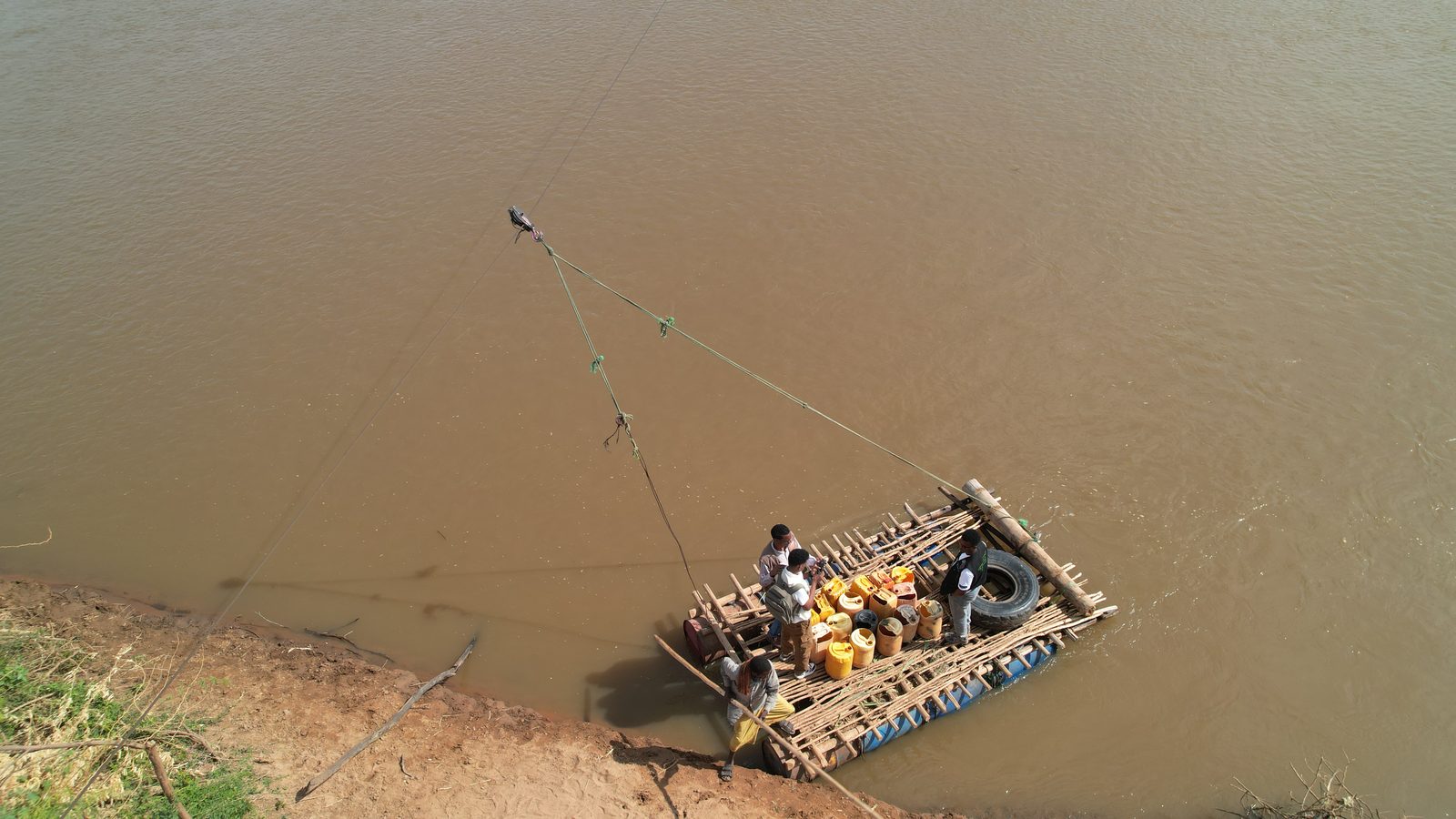
In the Mandera Triangle, drought, floods, livestock movement, resource pressure and local grievances often arrive together.
When communities are not prepared and institutions are not coordinated, a climate shock can quickly deepen tensions, disrupt markets and raise insecurity across all three borders.
For this reason, disaster risk reduction is not a stand-alone activity. It runs through every other part of the programme, from peacebuilding and conflict prevention to climate-smart investment, water, and income generation for women and youth, on the understanding that preparedness and prevention can act as a stabilisation tool.
Our approach
From reactive response to anticipatory action
Communities, cross-border authorities and peace structures plan for risk together, before it escalates.
BORESHA-NABAD works alongside cross-border government departments and agencies, line ministries, DRR committees, peace structures and community institutions to strengthen early warning, participatory risk analysis, contingency planning, first-line response and conflict-sensitive preparedness.
Together, these actors are building transition pathways that let communities move away from reactive crisis response and towards anticipatory action and local resilience.
Intervention areas
How preparedness is being built
Six connected areas of work link community knowledge, local institutions and cross-border coordination.
01
Participatory risk governance
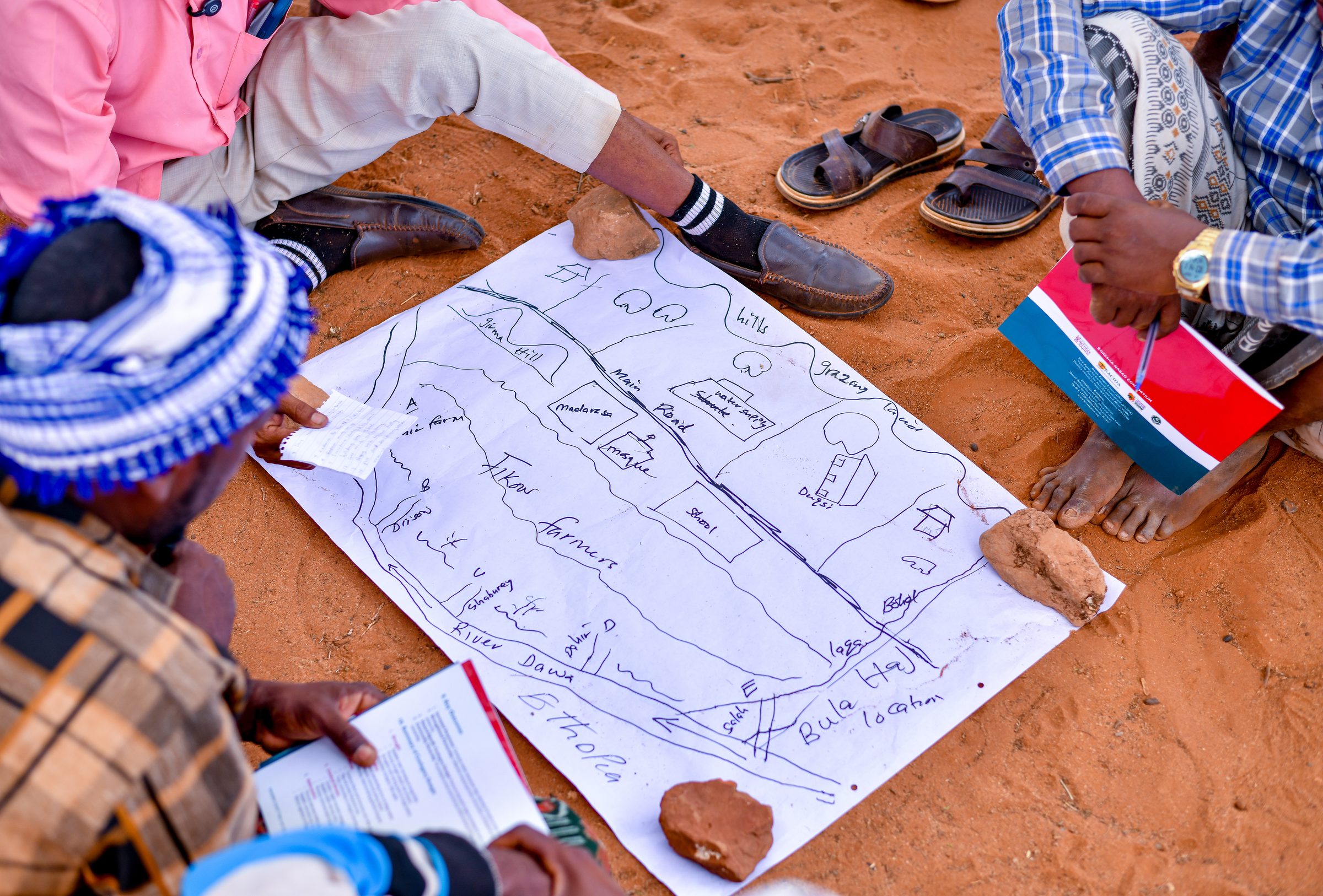
Community-led risk mapping and DRR planning that feed into local development and preparedness structures.
02
Cross-border anticipatory coordination
Joint contingency planning that aligns the actions of communities, authorities and institutions across the Mandera Triangle.
03
Integrated early warning and response
Traditional knowledge linked with technical forecasting, so information travels from community level to decision-makers.
04
First-line response capacity
Community actors, DRR committees and local institutions equipped to respond quickly and effectively to emerging shocks.
05
DRR within peace and governance systems
Risk reduction connected to conflict prevention, mediation and social cohesion, where climate stress and insecurity overlap.
06
Shared resilience and peace infrastructure
“Peace dividend” investments that ease competition over resources, improve access to services and build cooperation between communities.
Results as of November 2026
BORESHA-NABAD in Numbers
22,611
People reached
12,037 women and 10,574 men across disaster risk reduction and conflict prevention.
21,396
Peace dividend beneficiaries
People benefiting from shared infrastructure that eases competition over resources.
20
Community DRR plans
Gender-responsive plans developed by 20 DRR and peace committees: 7 in Kenya, 7 in Somalia and 6 in Ethiopia.
20
Cross-border contingency plans
Covering disasters, conflict management and peacebuilding.
398
Exchange and learning participants
Community members in cross-border exchange and learning events.
392
Cross-border dialogue participants
Reached through dialogue meetings on conflict prevention and resolution.
350
DRR and peace committee members
124 women and 226 men leading community preparedness.
75
Intercommunity dialogue participants
Engaged in dialogue as a mechanism for conflict prevention and community resilience.
Programme data as of November 2026.
Results in practice
Water that eases pressure on peace
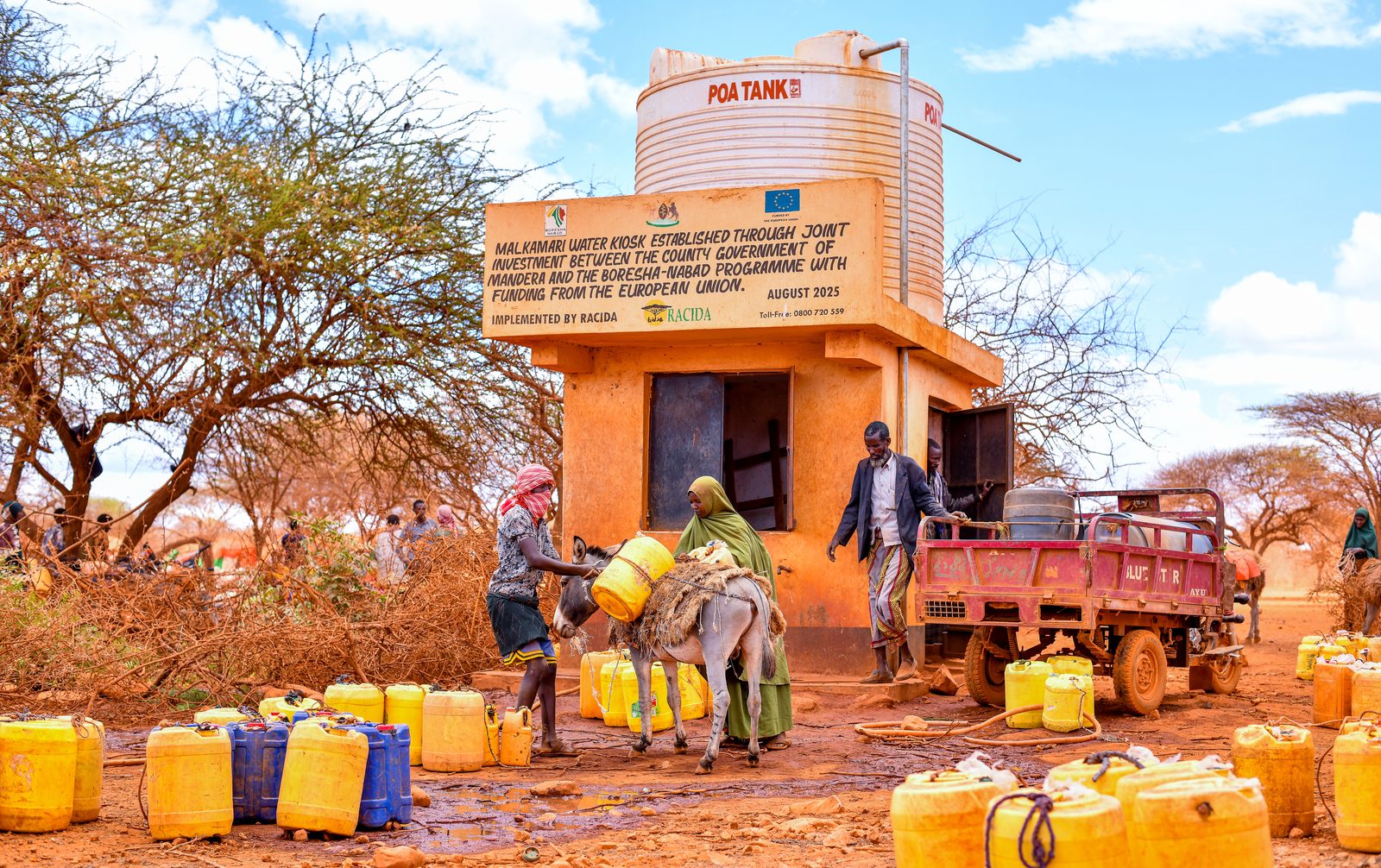
Malkamari
Reliable water, closer to home
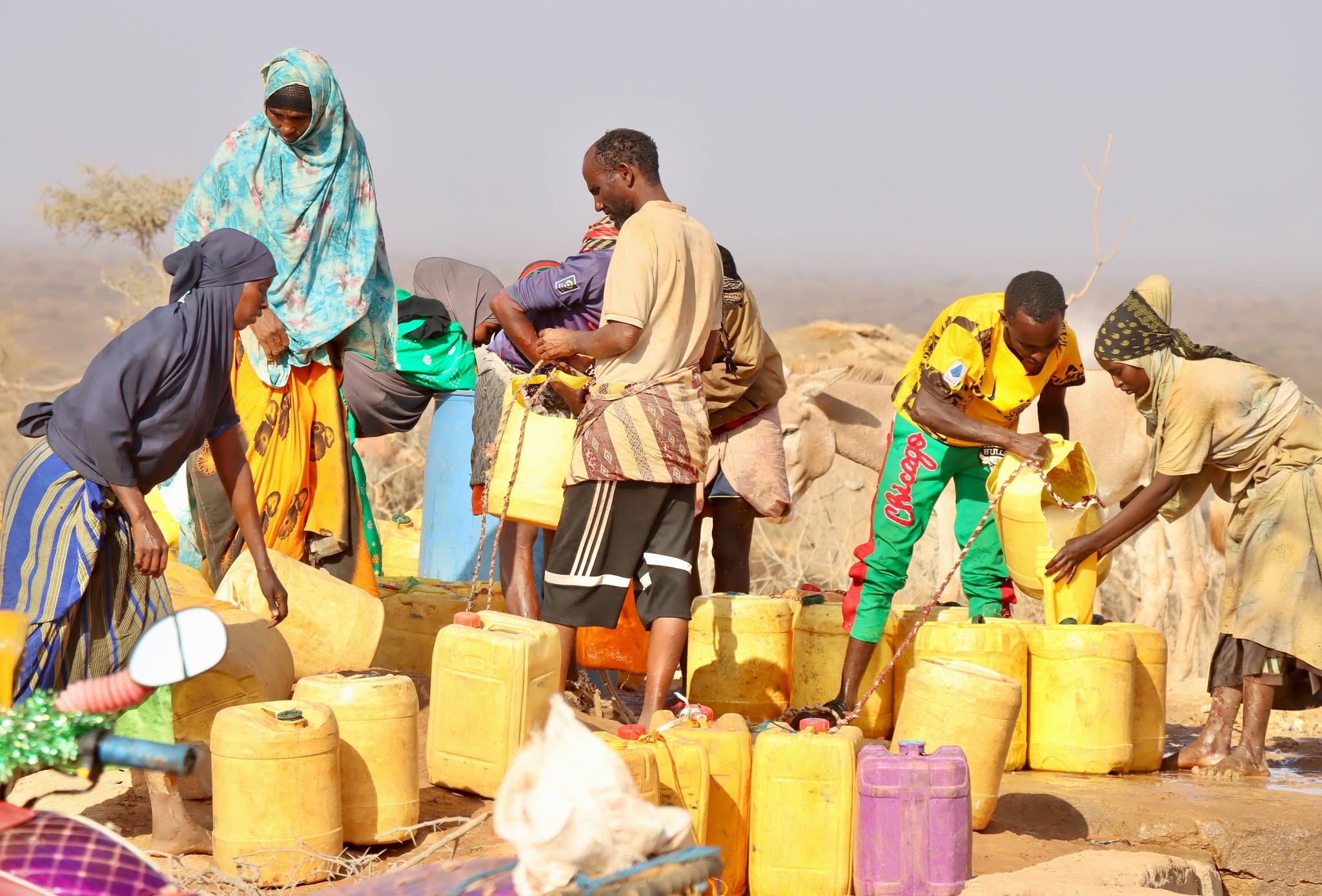
Where water scarcity once strained households, livestock and cross-border relations, the local water system is now more dependable.
Solar-powered boreholes, restored pumps and stronger water governance mean communities in Malkamari now reach safer, more reliable water closer to home. More than 6,000 people and 30,000 livestock now benefit.
Women are reclaiming time, livestock productivity is protected, and shared water points are becoming places of cooperation, trust and local trade.