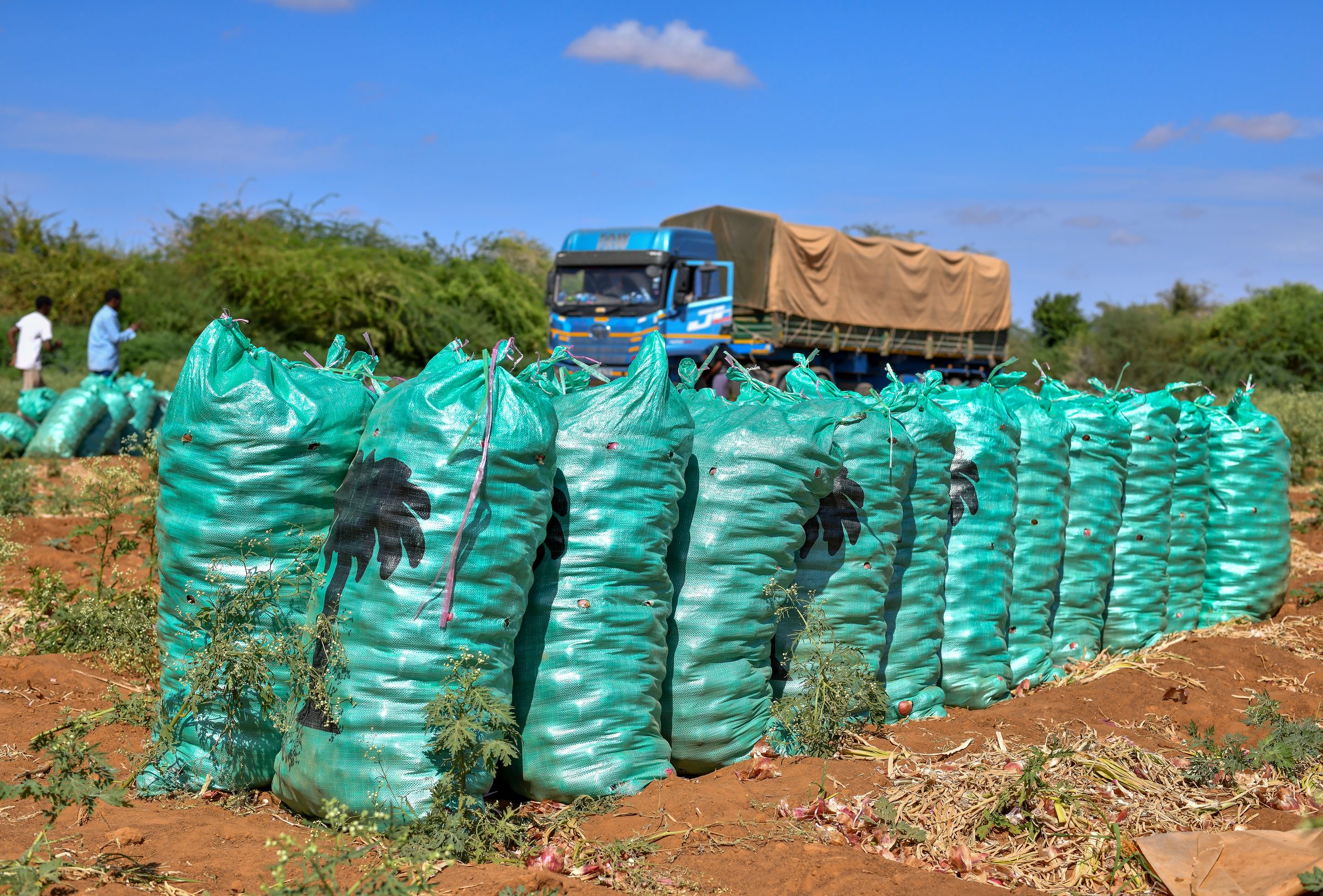
Focus Area Three
Income Generation for Women and Youth
Connecting skills, savings, services and markets so that women and youth can move from survival-based activity into steady economic participation.
We employ a market systems approach to create sustainable economic pathways to expand access to income-generating opportunities for women and youth in marginalised borderland communities, empower them and strengthen their financial resilience.
Our key interventions include
- Support women and youth income generation and livelihood interventions, focusing on market-demand areas such as construction and green energy, including connection to Business Development Services (BDS) providers.
- Expand access to financial services for women and youth and develop an inclusive financial ecosystem that supports small businesses at various growth stages. This involves collaborating with financial service providers (FSPs), microfinance institutions (MFIs), and commercial banks.
- Improve livestock value chains through animal health care and fodder interventions.
- Stimulate markets to promote growth in key sectors, including supporting the Tri-Border Business Committees through capacity building, action plan development, and increased engagement.
- Gather evidence of movement intentions and livelihood aspirations of host and displaced populations to inform programming.
Why it matters
Skills and savings need markets
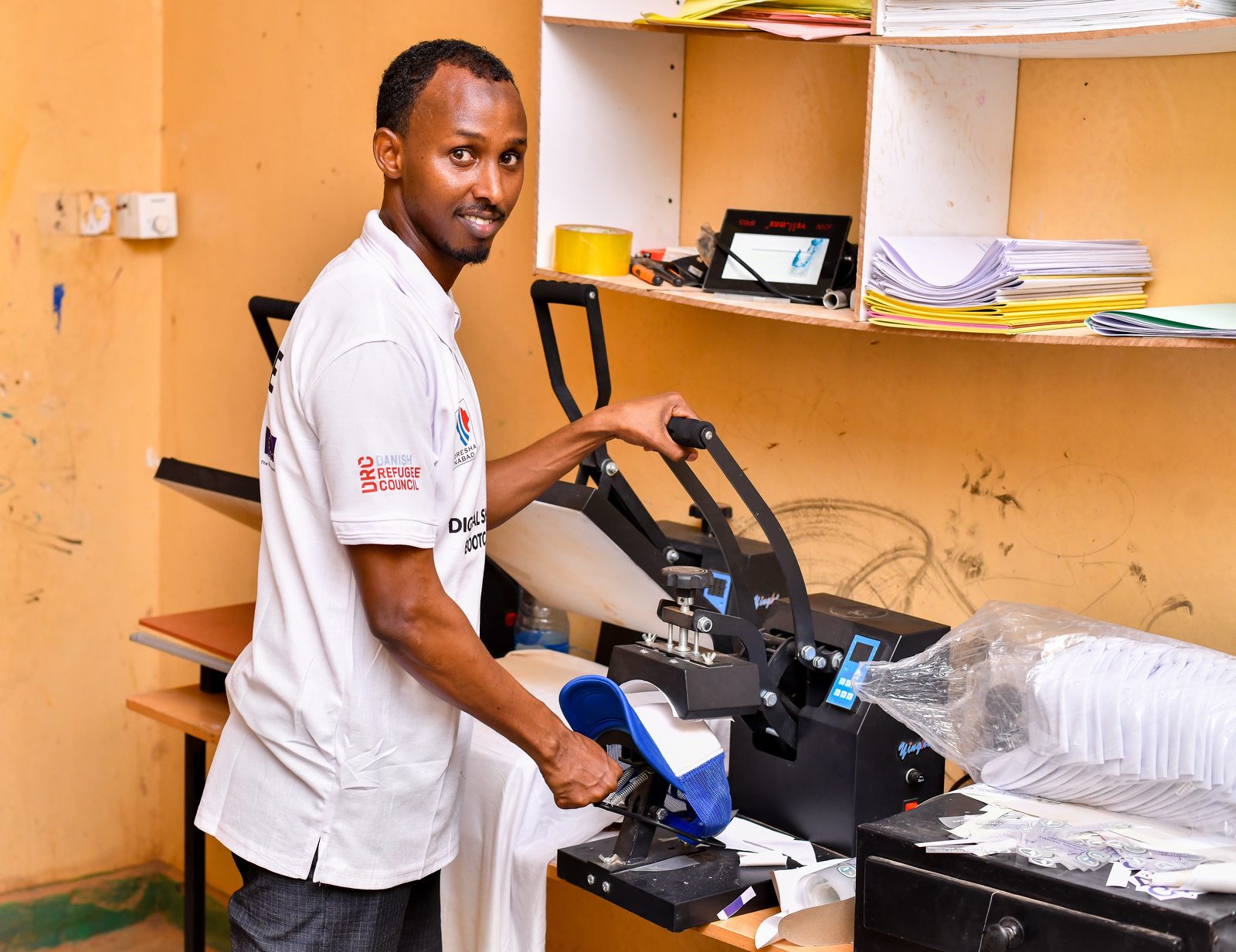
The constraint
A skill means little without demand
Savings have limited value without access to Shariah-compliant finance, and small enterprises struggle to grow without services, buyers and reliable market information.
The borderlands marketplace is fluid. At times it feels saturated with products, then runs out of stock when floods or drought disrupt supply. Women and youth trying to build a livelihood in this setting face thin links to the firms, lenders and service providers that could help them compete.
Our approach
Strengthening the systems that let women and youth compete
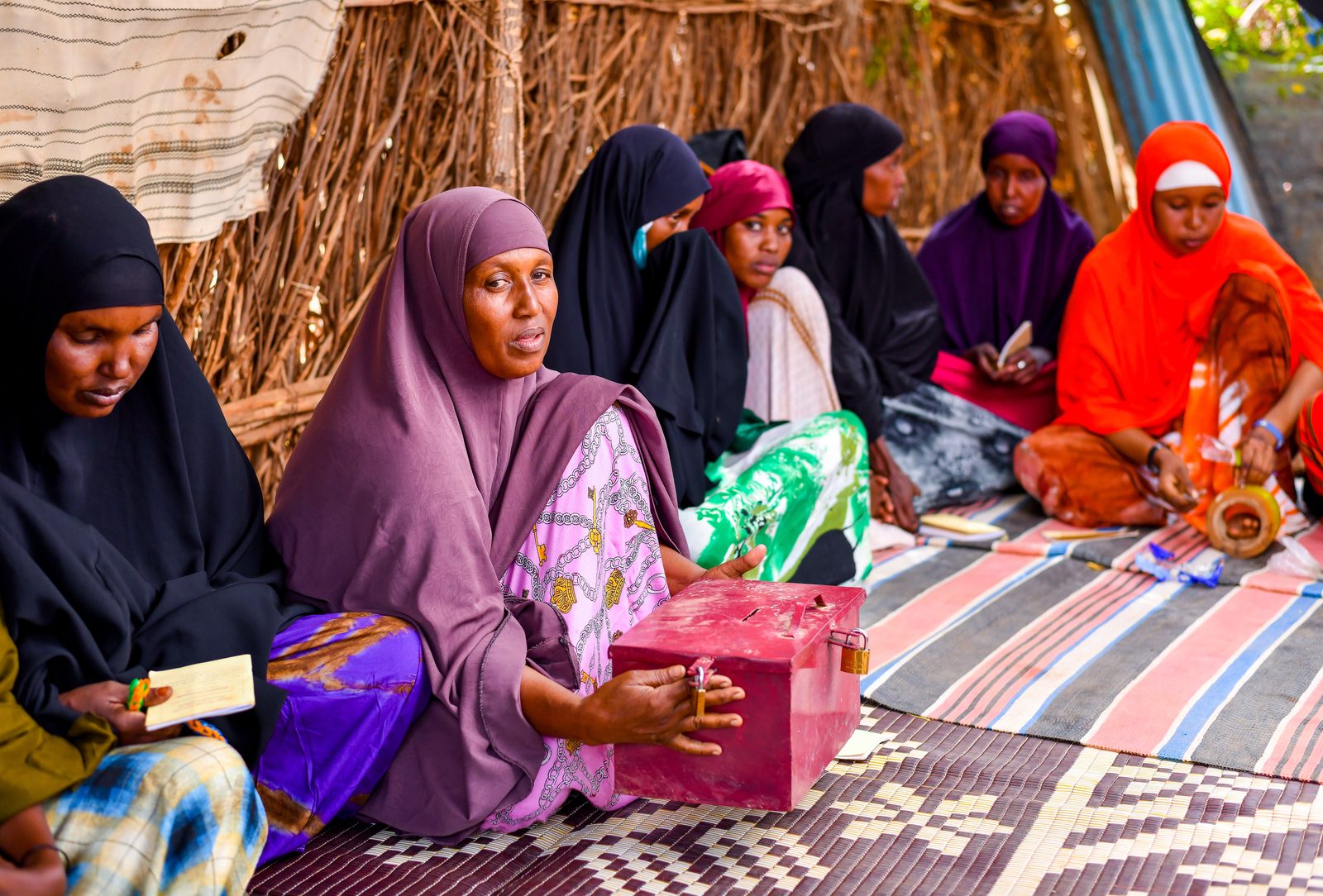
In collaboration with local market actors, the programme facilitates connections between demand-led training, savings groups, finance and real market opportunities.
Rather than one-off livelihood support, BORESHA-NABAD works with TVET institutions, VSLAs, business coaches, mentors, financial service providers and private firms so that each connects women and youth to genuine demand in local and cross-border economies.
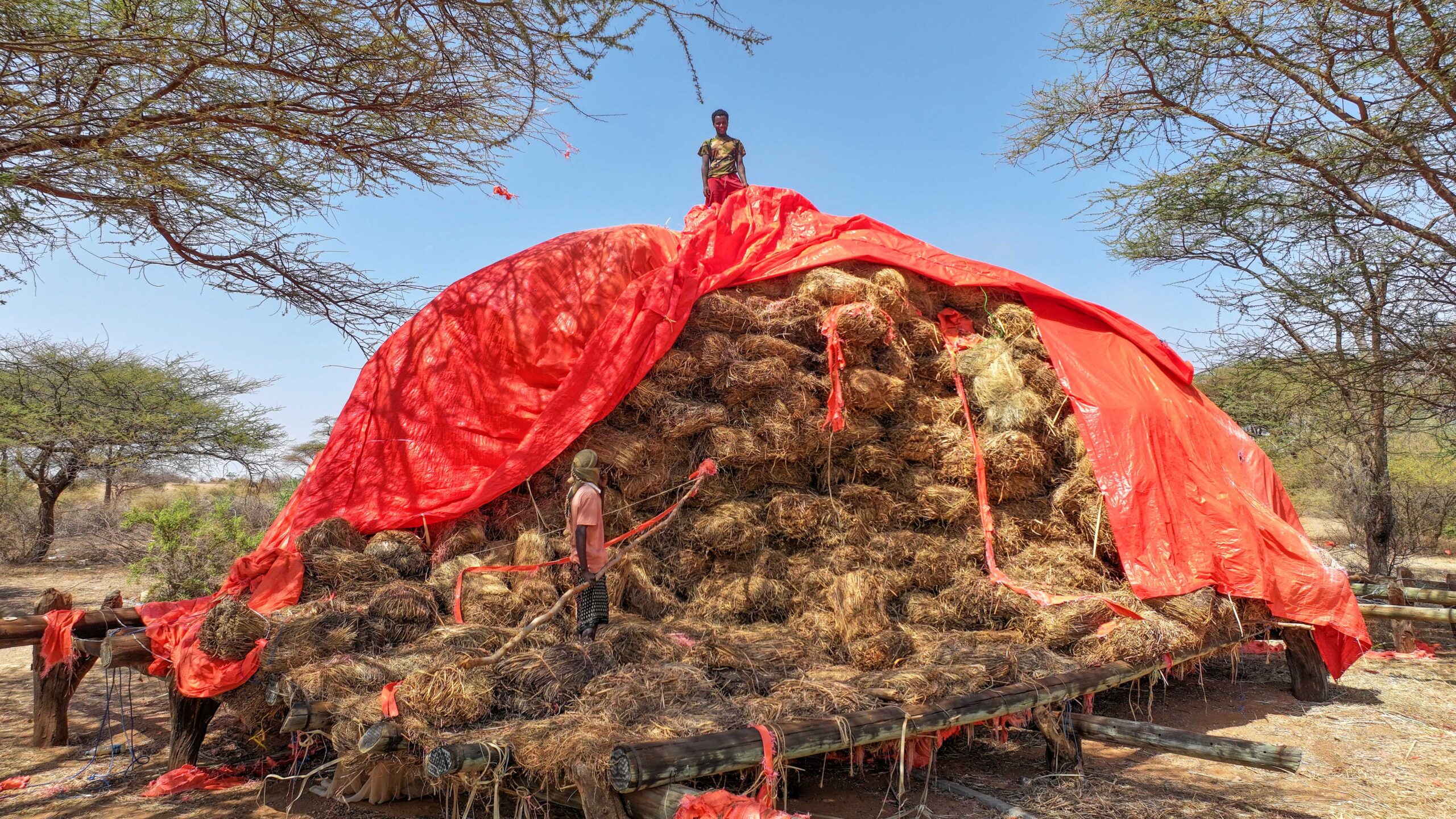
The programme co-invests with market actors in value chains with strong local relevance, including livestock, fodder, honey, petty trade, services and cross-border trade, and brokers linkages between entrepreneurs, financial service providers, business development actors, input suppliers, agro-vets and buyers.
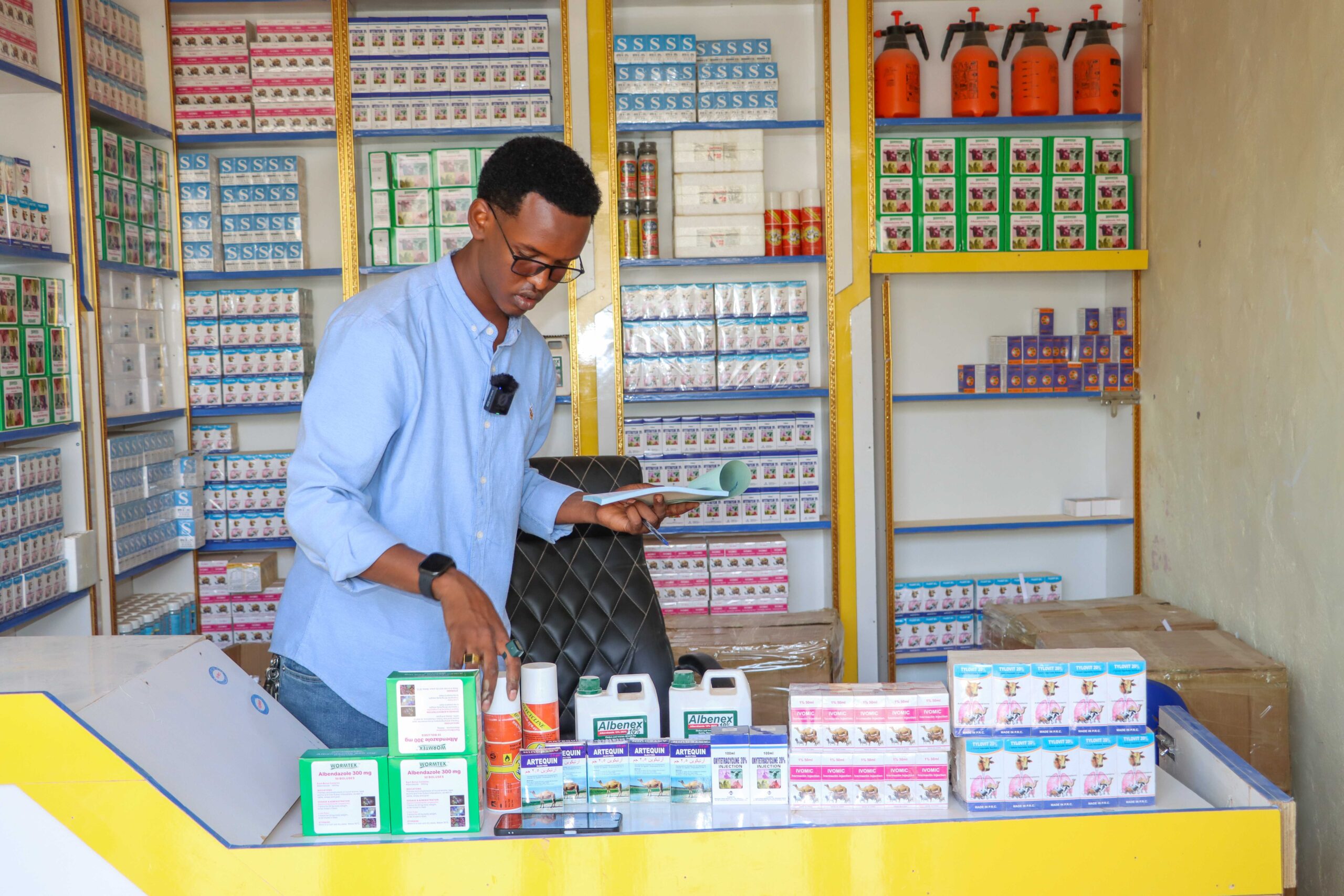
In the livestock sector, it works with public and private actors to strengthen the services pastoral economies depend on: animal health, CAHW and CDR networks, last-mile delivery of animal health products, drought-resilient fodder production and disease surveillance.
Intervention areas
Where the market system is being strengthened
Five areas of facilitation, each working through the businesses, institutions and service providers that will remain after the programme.
01
Market-demand skills
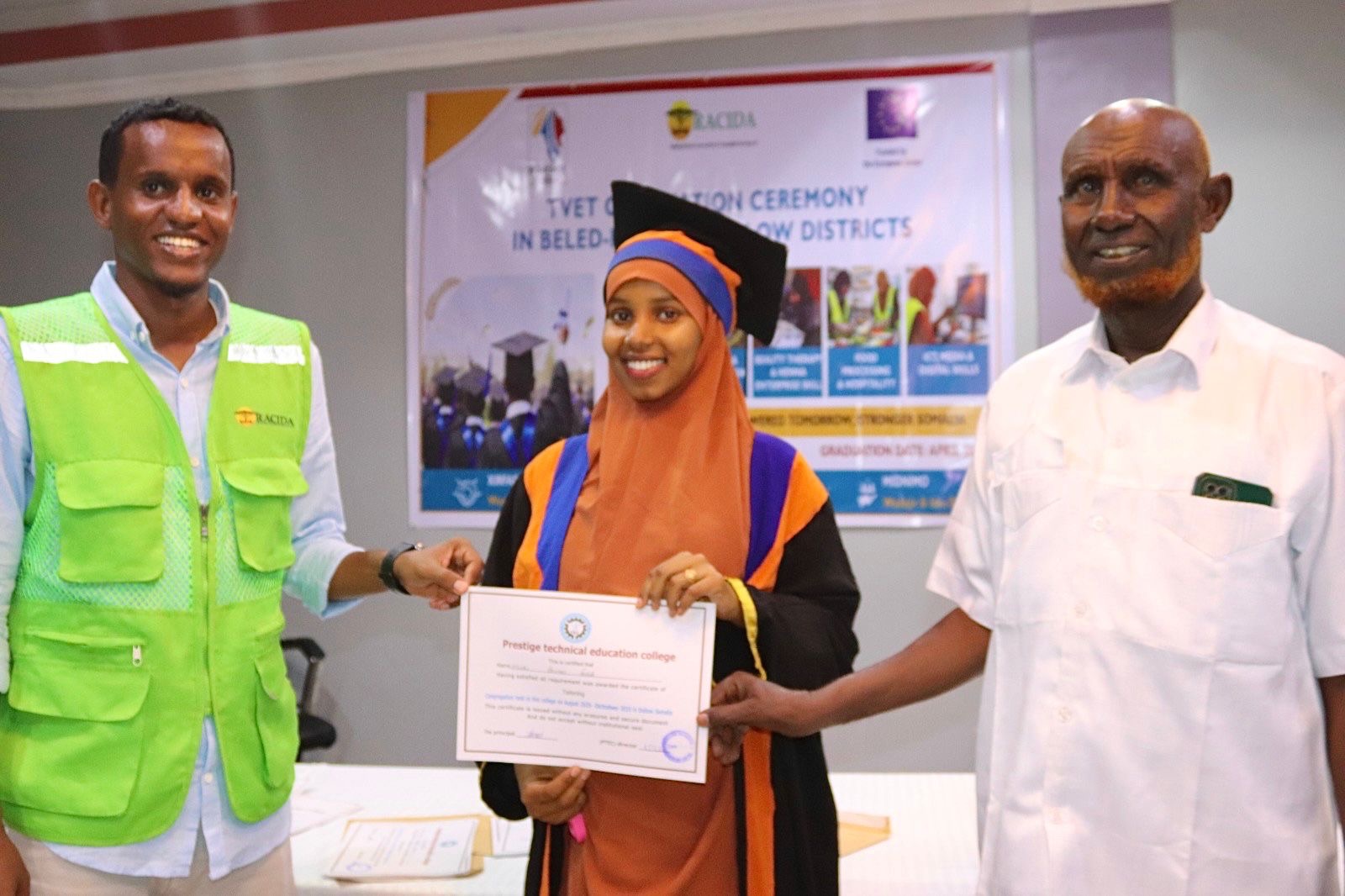
TVET is aligned with local labour demand and value chains, so youth can move from training into jobs, self-employment and enterprise in services, renewable energy, construction and ICT.
02
Financial systems
VSLA networks act as an entry point to financial inclusion, linked to business mentorship, enterprise support services and market actors so members can graduate into sustainable enterprise.
03
Livestock and fodder value chains
Farmer groups and LCIGs operate as market actors, with better aggregation, input supply and market coordination, and links to veterinary services, agro-dealers, buyers and drought-resilient fodder markets.
04
Agricultural production systems
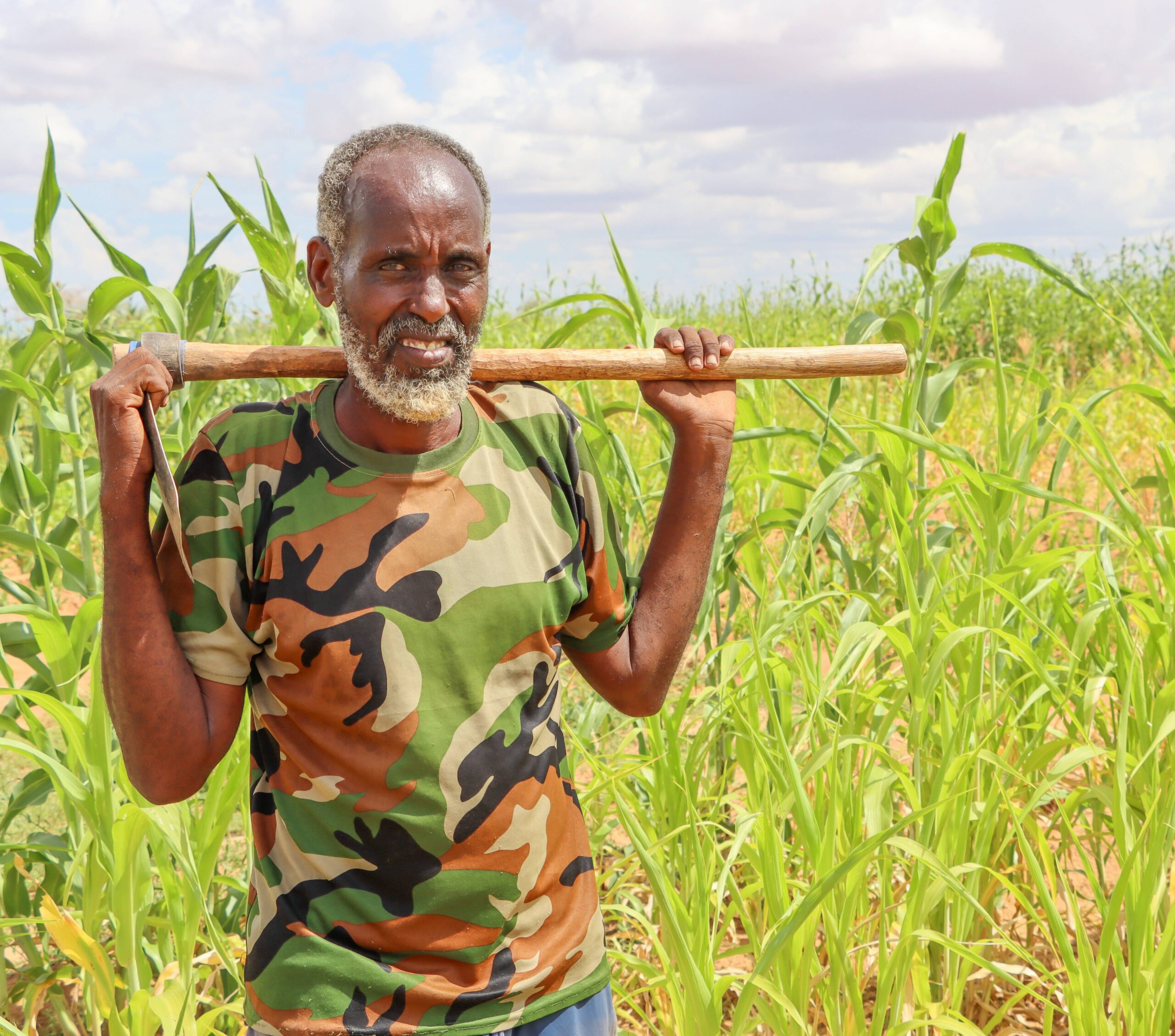
Climate-smart and cooperative production models, crop-sharing arrangements, better access to irrigation and inputs, and closer links between producers, extension services and private firms.
05
Livestock health systems
Last-mile animal health delivery through CAHW networks, digital disease surveillance and reporting, and closer coordination between government, agro-vets and community service providers.
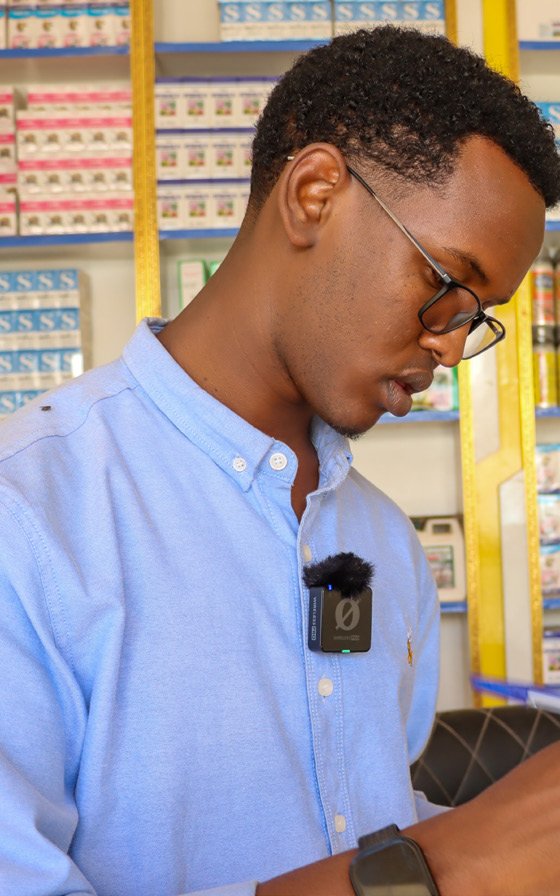
Almost 75% of my operating costs went into keeping drugs cold. That left very little space to grow. Now I reliably supply quality veterinary drugs to over 34 registered CAHWs networks in Dollow.
Hanad Hussein, youth agrovet entrepreneur, Dollow
Results as of November 2026
BORESHA-NABAD in Numbers
6,518
People reached
4,541 women and 1,977 men engaged through market systems facilitation.
2,450,047
Livestock reached
Through 119 mass vaccination and treatment campaigns against transboundary animal diseases.
2,906
Linked to business services
VSLA and LCIG members and TVET graduates in business skills training and mentorship, linked to BDS providers.
1,115
In market-oriented livestock systems
Connected to animal health services, climate-smart fodder and value chain commercialisation.
997
Entrepreneurs in inclusive finance
Engaged in a more inclusive financial system.
675
Women in VSLAs
Members of 27 Village Savings and Loan Associations strengthened.
350
TVET trainees
Trained in vocational skills in sectors with clear market demand.
346
Community disease reporters
CDRs trained and equipped, alongside 129 veterinary officers trained in digital reporting on EpiCollect.
Programme data as of November 2026.